

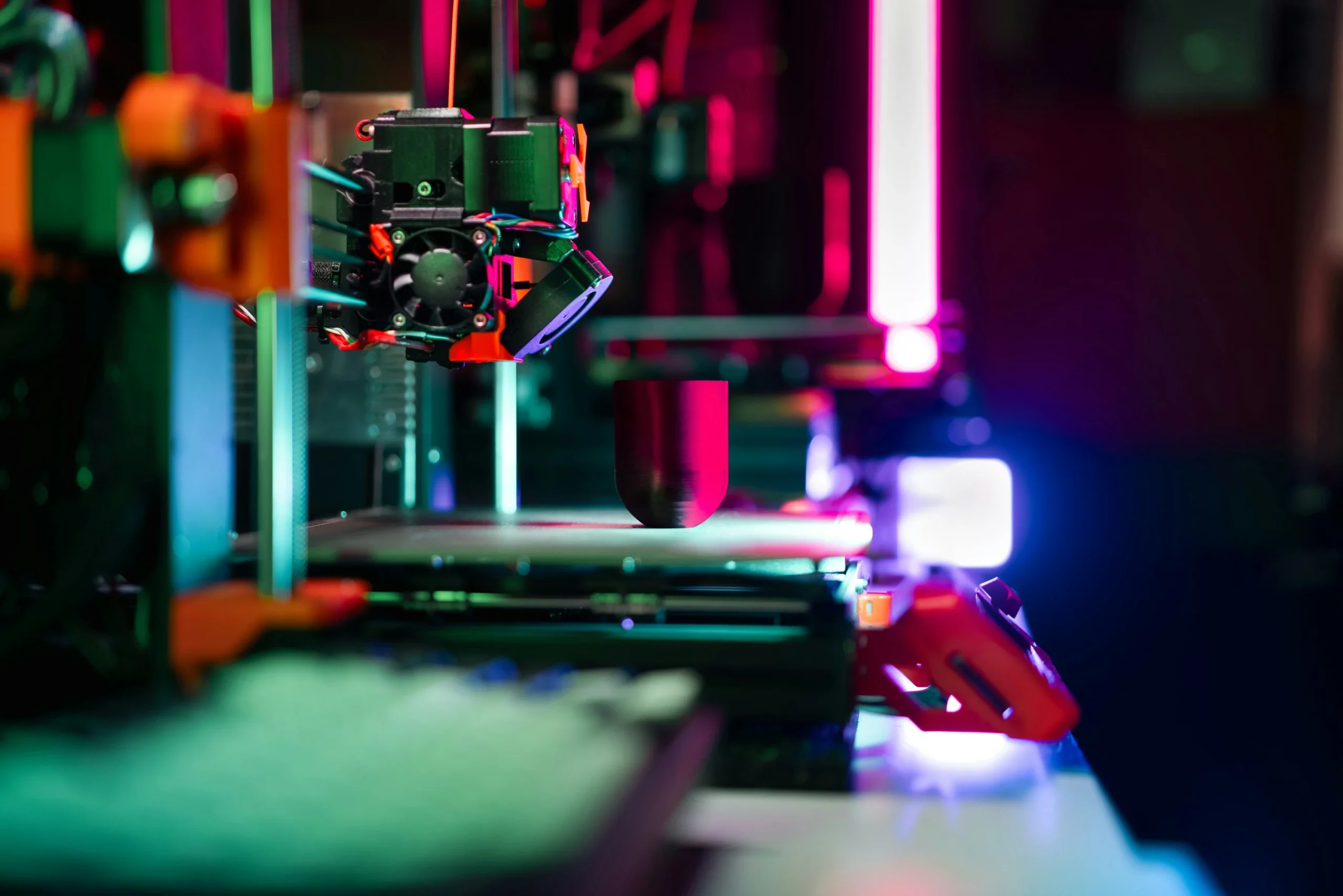
The European inkjet-bioAM project is driving a new wave of innovation in healthcare manufacturing by harnessing the power of inkjet bioprinting to create smarter, more personalised, and digitally enabled medical solutions. This transformative initiative unites industry partners, research leaders and technology experts to build a future where advanced manufacturing enhances patient outcomes and strengthens healthcare systems throughout the EU.
At the heart of this innovation journey is Katja Pečjak Reven, M.Sc. Pharm., who contributes to the project as a member of the External Advisory Board of inkjet-bioAM. In this role, she is actively involved in supporting the strategic development of the initiative, providing expert guidance rooted in her extensive experience in pharmaceutical strategy, regulatory affairs and business development. Drawing on her work at Billev Pharma East, Katja helps ensure that the project’s technological advancements are aligned with real-world regulatory, market and healthcare requirements, strengthening the translation of innovation into practical, high-impact solutions.
Reimagining healthcare manufacturing
Funded by the European Union’s Interregional Innovation Investment (I3) instrument, the inkjet-bioAM project unites 15 partners from five countries and eight EU regions in an ambitious drive to embed inkjet bioprinting into the healthcare production value chain. Running from September 2024 through August 2027, the project seeks to digitise and modernise how medical and pharmaceutical products are manufactured, from concept to commercial readiness — simply and efficiently.
Rather than incremental improvement, this initiative champions true transformation: replacing traditional methods with dynamic digital processes that respond to the evolving needs of patients, manufacturers and healthcare systems alike.
Three powerful pilot lines for real-world impact
To highlight the potential of inkjet bioprinting in healthcare, inkjet-bioAM has developed three strategic pilot programmes, each designed to address a different domain of biomedical manufacturing:
- bioscaffolds: creating complex biological structures for advanced therapeutic applications.
- Biosensors: developing high-precision diagnostic components capable of detecting key biomarkers.
- Personal Medication: customising pharmaceutical products in ways that traditional manufacturing cannot easily achieve.
These pilot lines are more than technological showcases — they represent tangible bridges between research excellence and real-world deployment, designed to accelerate innovation cycles, reduce time-to-market and deliver personalised solutions that matter.
Fueling innovation with european SMEs
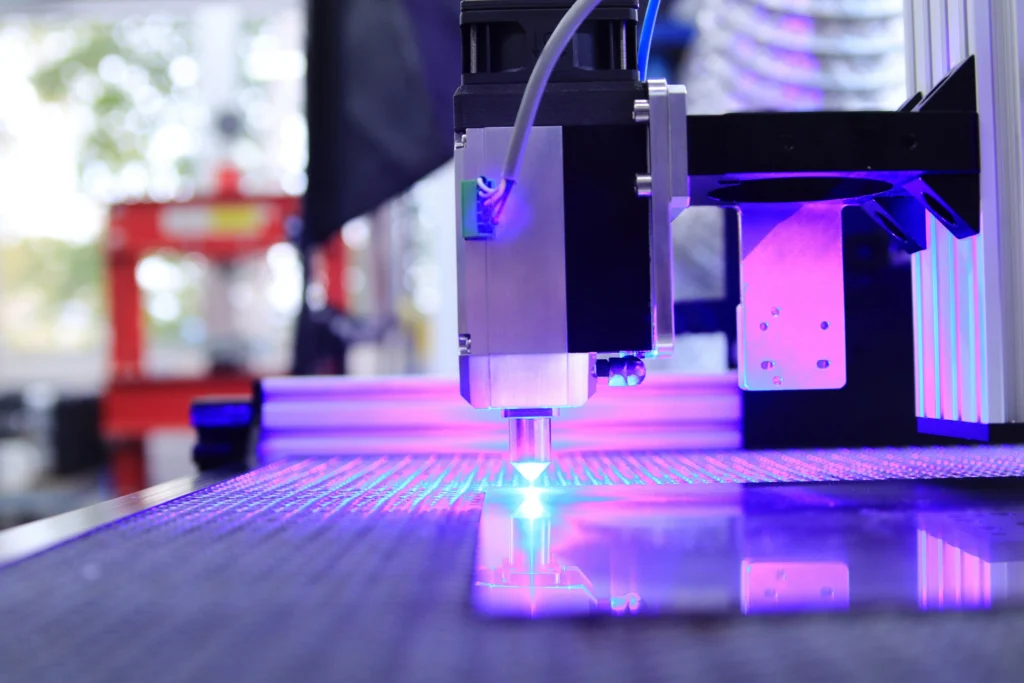
A distinctive aspect of the initiative is its Open Call, which invites European small and medium-sized enterprises, research organisations and innovators to engage directly in the transformation process. Through this collaborative opportunity, selected participants are encouraged to co-develop solutions within one of the three pilot lines, strengthening their technological capabilities while contributing to broader industry progress and shaping the future of advanced healthcare manufacturing.
A key aspect of bringing advanced technologies like inkjet bioprinting into real-world healthcare production is ensuring strong manufacturing quality and regulatory compliance. GMP consulting plays a vital role here, helping organisations meet the strict standards required for pharmaceutical products. By applying GMP principles early in development and scaling, teams can speed up implementation, boost consistency and reduce regulatory risk — essential for turning innovation into trusted healthcare solutions.
This collaborative funding model not only accelerates the development of high-impact products and services but also strengthens Europe’s innovation ecosystem — creating new avenues for partnership, market access and economic growth.
Leadership that shapes the future
The strategic insights of leaders like Katja Pečjak Reven underscore the importance of aligning emerging technologies such as inkjet bioprinting with practical business and regulatory considerations. Her extensive experience — from driving regulatory strategy and digital projects to navigating global compliance landscapes — brings a valuable operational perspective that helps ensure the technology’s adoption is both responsible and commercially viable.
Toward a smarter healthcare future
As the inkjet-bioAM project moves forward, its work exemplifies how digitalisation and strategic collaboration can reshape entire sectors. With a bold vision, concrete pilot initiatives and thoughtful leadership, the promise of inkjet bioprinting — from boosting manufacturing agility to tailoring solutions that fit individual patient needs — is rapidly becoming a reality for Europe’s healthcare systems.
Together with its European network of innovators and experts, the project points to a future of medical manufacturing where advanced technologies deliver smarter, more efficient solutions for patients everywhere.
Read also:
Sources: 1 – inkjet-bioAM. (n.d.). Project | inkjet-bioAM: Smart manufacturing of biomedical applications by industrial multi-material inkjet processes for improved health care, 2 – cascadefunding.eu. (2025). Open Call Analysis: Inkjet bioAM Transforming Healthcare, 3 – INTERREG i3: Bayern Innovativ. (n.d.). Inkjet-bioAM project details — digitalisation of medical production, 4 – Wikipedia. (n.d.). Bio-ink — materials used to 3D print artificial tissue, 5 – Journal of Organ and Tissue Organoid. (n.d.). Inkjet-based bioprinting for tissue engineering.
Image credits:
In-article image: Photo by Jakob Žerdzicki by Unsplash
Hero image: Photo by Opt Lasers by Unsplash