

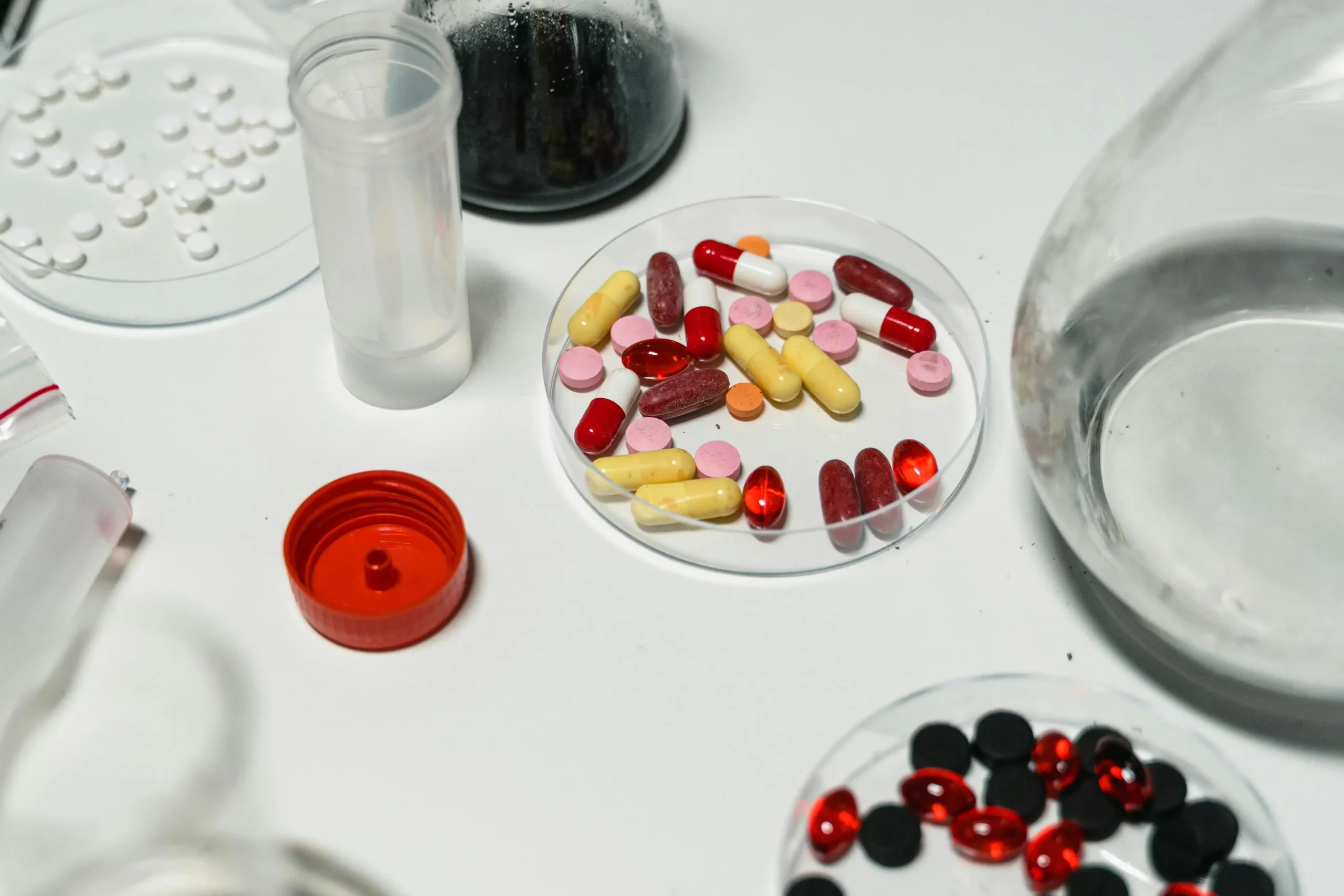
Pharmaceutical companies today are surrounded by data—clinical results, safety signals, real-world evidence—yet some of the most valuable opportunities remain hidden in plain sight. Statins are a striking example. For decades, observations of anti-inflammatory and immune-modulating effects were logged as secondary findings and largely set aside. Today, those same signals are driving serious research into statins’ potential in oncology, Alzheimer’s disease, and sepsis. The molecule didn’t change. The interpretation did..
The real challenge is not the lack of innovation, but the way data is interpreted. When potential signals are dismissed too early, companies lose more than just scientific insight—they lose time, competitive advantage, and significant market potential. In an environment where developing a new drug can take over a decade, relying solely on traditional pipelines is becoming increasingly unsustainable. Even industry research highlights that reusing existing drugs can significantly reduce time, cost, and risk compared to starting from scratch.
This is where clarity becomes a decisive factor. Complex scientific data only creates value when it is properly understood, communicated, and translated into actionable decisions—this is exactly the role of medical writing, which turns intricate data into clear, structured insights that support development, regulatory success, and strategic direction .
Forward-looking organizations no longer treat unexpected effects as problems to explain away. They treat them as opportunities. Repurposing of drug is no longer a secondary strategy—it is becoming a core driver of innovation. And those who approach drug repurposing strategically, with the right expertise, clear interpretation, and strong medical writing capabilities, are the ones who will unlock value others fail to see.
What must pharmaceutical companies do to successfully leverage repurposing of drug?
To successfully unlock the potential of repurposing of drug, pharmaceutical companies first need to change how they interpret what they already know. For years, signals observed in clinical practice—especially those labeled as adverse effects—were treated as risks to be minimized or explained away. But as we now see with statins, those same signals can later point toward entirely new therapeutic areas, from oncology to neurodegenerative diseases and even infections. The real shift, therefore, is not technological—it is conceptual.
Companies must begin to look at their data more broadly and more objectively. Instead of asking whether a signal is problematic, they need to ask what it might reveal about the drug’s underlying mechanism of action. This is exactly how drug repurposing opportunities emerge: not from new molecules, but from new interpretations.
At the same time, repurposing cannot remain an accidental discovery. It needs to become a deliberate strategy. This means connecting insights across disciplines—clinical data, safety observations, and scientific understanding—into a coherent development pathway. Without this integration, valuable signals remain isolated and unused.
Equally important is recognizing that repurposing is not just about science, but about direction. As therapeutic areas evolve—such as the shift from statins toward PCSK-9 inhibitors—companies that do not actively redefine the role of existing drugs risk losing relevance. Those that do, on the other hand, can extend the lifecycle of their products and open entirely new markets.
In a landscape where developing new drugs is increasingly complex, repurposing of drug is no longer optional. It is a strategic necessity—especially for those willing to see opportunity where others once saw risk.
How Billev Pharma East helps you turn repurposing of drug into real results
In most cases, the problem is not that pharmaceutical companies lack data—it is that they struggle to truly understand what that data is telling them.
This is exactly where Billev Pharma East makes the difference. We help companies step back and look at their data from a broader, more objective perspective. Signals that may appear as risks, inconsistencies, or noise are often the starting point for new opportunities. Our role is to help you distinguish between what is actually a problem and what is, in reality, untapped potential. This ability to interpret data correctly is what transforms isolated findings into viable repurposing of drug strategies.

At the same time, we know that complexity slows down decision-making. Regulatory requirements, safety data, clinical insights—these are often difficult to connect and even harder to communicate internally. That is why we place a strong focus on clarity. Through our medical and regulatory writing expertise, we translate complex scientific and regulatory concepts into clear, structured, and actionable insights that support confident decision-making.
What truly sets us apart, however, is our integrated approach. Instead of treating development, safety, and regulation as separate processes, we bring them together under one coordinated strategy. From early signal interpretation to regulatory positioning and lifecycle management, we provide a seamless path forward.
This means you are not working with fragmented inputs, but with a partner who understands the full picture. Because successful drug repurposing is not about having more data—it is about understanding it better, acting on it faster, and aligning every step toward a clear goal. And that is exactly what we help you achieve.
What is drug repurposing and why does it matter now more than ever?
Drug repurposing refers to the process of identifying new therapeutic uses for already existing medicines—often long after their original approval. Instead of starting from scratch, companies build on what is already known: safety profiles, clinical data, and biological mechanisms.
This is precisely why repurposing of drug has become such a powerful strategy in modern pharmaceutical development. Traditional drug discovery is slow, expensive, and highly uncertain, while repurposing allows companies to move faster by leveraging existing knowledge. In many cases, repurposed drugs can skip early development stages and enter clinical research sooner, significantly reducing both time and cost.
What makes this approach particularly relevant today is the growing volume of available data. Clinical trials, real-world evidence, and pharmacovigilance systems continuously generate insights about how drugs behave beyond their original indication. These insights—often initially interpreted as side effects—can reveal entirely new therapeutic pathways.
This is exactly what we are now seeing with drugs like statins, where historical safety signals are being revisited as potential opportunities in oncology, neurodegenerative diseases, and infectious conditions.
In other words, the future of innovation is no longer driven only by new molecules, but by new interpretations. Companies that understand this shift—and act on it—are able to extend product lifecycles, reduce development risk, and respond faster to unmet medical needs.
The real value of drug repurposing is therefore not just efficiency. It is the ability to see what others have already overlooked—and turn it into meaningful therapeutic and commercial success.
Where does repurposing of drug create the highest value in practice?
The real value of repurposing of drug does not lie only in theory—it becomes most visible at specific points in the drug lifecycle where companies are under pressure to make strategic decisions.
One of the most important moments is when a drug begins to lose relevance in its original indication. As seen with statins and the shift toward newer therapies like PCSK-9 inhibitors, existing products can quickly become secondary choices in their primary market. At that point, companies face a critical decision: either accept decline or redefine the role of the product through drug repurposing.
Another high-impact opportunity appears when unexpected signals emerge during development or post-marketing use. Historically, these signals were often treated as limitations. Today, they are increasingly recognized as potential indicators of new mechanisms of action. In fact, many successful repurposing cases have originated from precisely these “unexpected effects,” identified through clinical observation and later explored more systematically.
Repurposing also creates value in so-called “failed” or deprioritized compounds. Drugs that did not succeed in one indication—despite acceptable safety—can still hold significant potential in another therapeutic area. Leveraging these assets allows companies to recover sunk costs and accelerate development timelines without starting from zero.
Finally, in today’s data-driven environment, repurposing is becoming increasingly strategic. Advances in data analysis, real-world evidence, and biological insights enable companies to systematically identify new opportunities rather than relying on chance.
This is why repurposing of drug is no longer just an alternative approach—it is becoming a core strategy for extending product value, reducing risk, and staying competitive in an increasingly complex pharmaceutical landscape.
Why acting on repurposing of drug now makes the difference
The shift toward repurposing of drug is not something that might happen in the future—it is already reshaping how pharmaceutical innovation works today. Companies are under increasing pressure to move faster, reduce costs, and still deliver meaningful therapeutic advances. In this context, drug repurposing offers a clear advantage: it allows organizations to build on what they already know and bring new treatments to patients more efficiently, often with lower risk and shorter timelines.
But recognizing the opportunity is only the starting point. What truly determines success is the ability to interpret data correctly, connect insights across disciplines, and translate them into a clear, executable strategy. This is where many companies struggle—and where the biggest opportunities are often lost.
At Billev Pharma East, we help you close that gap. We turn complex data into clear direction, help you understand what truly matters, and guide you from initial insight to concrete development decisions. Instead of leaving potential on the table, we help you transform it into real, measurable outcomes.
If you are looking to make repurposing of drug a strategic advantage—not just an idea—then choosing the right partner is the decision that makes all the difference.
Read also
- What are the 5 common challenges faced in regulatory medical writing and medical writing services?
- Understanding clinical study protocols, clinical study reports, and investigator brochures in drug development
- What is an SmPC and how does It differ from a patient information leaflet?
Sources: 1 – Nature. (2025). Impact of drug repurposing between 1985 and 2024 on pharmaceutical innovation, 2 – National Center for Biotechnology Information (NCBI). (2023). Drug repurposing: An effective tool in modern drug discovery, 3 – Frontiers in Drug Discovery. (2024). How drug repurposing can advance drug discovery: Challenges and opportunities, 4 – Springer. (2024). Drug repurposing: History, significance, benefits, approaches, and challenges, 5 – National Center for Biotechnology Information (NCBI). (2025). Impact of drug repurposing on pharmaceutical development, 6 – Nature Reviews Drug Discovery. (2018). Drug repurposing: Progress, challenges and recommendations, 7 – Nature Research Intelligence. (2024). Drug repurposing and discovery.
Image credits:
In-article images: Pexels
In-article images: Pexels
Hero image: Pexels